
Slow Routes
Going back to the same place is a different activity from travelling
A return visit removes the work of orientation and the pressure to see things, which changes what the trip is for rather than simply repeating it.
By Samar Bhatia3 min read
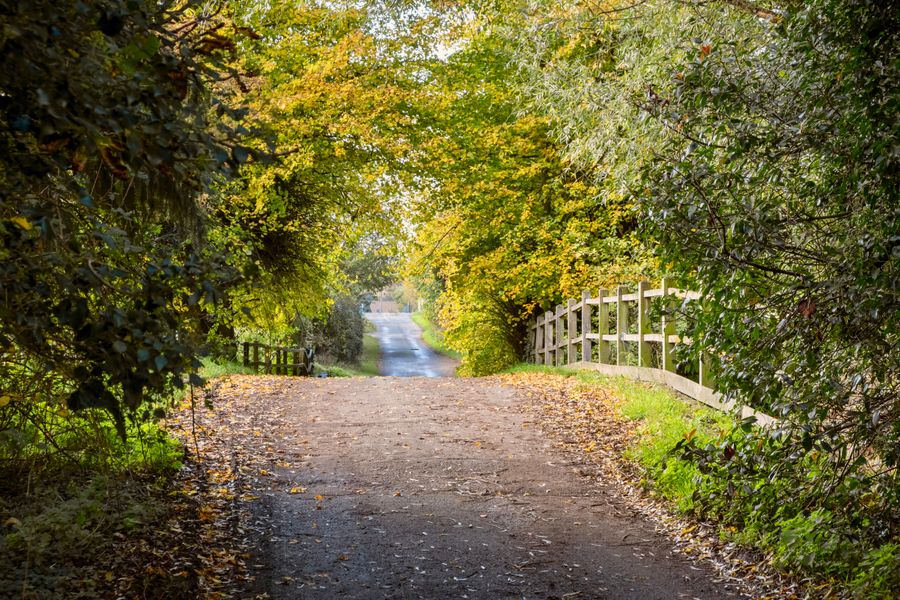
The second visit starts where the first one ended
Everything that took the first three days of a first trip — working out the transport, finding somewhere to eat that you did not resent, learning which direction the station is from the square — is already done. You step off the train and start from a position that cost you most of a week to reach last time.
That is a substantial saving and it goes somewhere. Usually it goes into detail: the streets behind the ones you already walked, the smaller museum, the market on the day you were not there before, the bus route you noticed and never took.
It also removes a pressure that is easy to underestimate. On a first visit there is an obligation, self-imposed but real, to see the things the place is known for. On a second there is none, because that account has been settled, and the trip is free to be about whatever you like.
Repetition is what makes change visible
A single visit gives you a photograph. Several visits give you a sequence, and only a sequence shows change. Which shops have gone, what replaced them, whether the building site is finished, whether the square has been repaved, whether the neighbourhood feels busier or quieter than it did.
This is genuinely difficult to get any other way, because change of that kind is invisible to residents, who adapt to it daily, and inaccessible to first-time visitors, who have no baseline. The returning visitor occupies a strange middle position and sees things neither of the other two do.
The effect strengthens with irregular intervals rather than annual ones. Coming back after five years shows structural change; coming back after five months shows seasonal change; doing both shows you which is which.
You start being recognised, and that changes the place
Somewhere around the third or fourth visit, people begin to remember you. The person in the bakery, the family running the guesthouse, the neighbour who is always outside at the same hour. This is not friendship and it would be a mistake to inflate it, but it is a different relationship from being a customer.
What it buys is information. Recognised visitors get told things: that the road will be closed next week, that the festival is a fortnight later this year, that the place everyone recommends changed hands and is no longer worth it. None of that is in print anywhere.
It works in the other direction too, and this is the part worth being honest about. You acquire small obligations — to say hello, to go back to the same restaurant, to remember what somebody told you last time — and some travellers find that this weight is exactly the thing they were trying to leave behind.
The costs are real and mostly about opportunity
Every return is a place not visited for the first time, and there is no way to have both. Someone with two weeks a year and a strong attachment to one town will know that town very well and much of the world not at all, which is a defensible choice but definitely a choice.
There is also a risk of a kind of ossification, where the visit becomes a routine performed rather than a place engaged with. The same three restaurants, the same walk, the same bench. When that happens the return has stopped producing new information and is functioning as comfort, which is fine as long as it is recognised for what it is.
The corrective is simple enough: each time, do at least one thing that is not on the established circuit. One new district, one bus to somewhere you cannot picture, one day given entirely to something unplanned.
Why some places reward return and others do not
Places with depth reward it, and depth usually means a working population, layered history, seasonal variation and enough size that no single visit exhausts it. Places built entirely around visitors tend not to, because once you have seen the thing there is no second layer underneath.
Seasonal range is the strongest single predictor. Somewhere that is genuinely different in February and August offers two destinations for the cost of learning one, and returning in the opposite season is usually more rewarding than returning in the same one.
None of this is an argument against seeing new places, and it would be a poor trip that never went anywhere unfamiliar. It is an argument that returning is not a failure of imagination or a lack of ambition. It is a different instrument, and it measures things that a first visit cannot reach.
Common questions
Does returning to the same place get boring?
It can, and the signal is usually that you have stopped varying anything within the visit rather than that the place is exhausted. Changing the season, the district you stay in or the mode of arrival tends to reset it, since each of those alters what you actually encounter.
Is it better to return in the same season or a different one?
A different one shows you more, because it separates what is permanent about a place from what is a feature of the month. Returning in the same season is better for noticing change over years, since it holds the seasonal variable steady and lets everything else show.
How do you avoid being treated as just another tourist on repeat visits?
Mostly by behaving like someone who intends to come back: learning a few words properly, using the same places over time, and being unhurried. Recognition follows from repetition and ordinary courtesy rather than from anything you can arrange on a single trip.
Senior writer, The Next Postcard
Samar has written about cities, slow routes, rail & road for most of the last decade and is happiest when a piece answers the question completely.


