
Coast
The strandline is a daily delivery of everything the sea has been carrying
The untidy line of weed and debris at the top of a beach is a record of the last tide, a functioning habitat, and the most informative thing on most shorelines.
By Clara Lindqvist3 min read
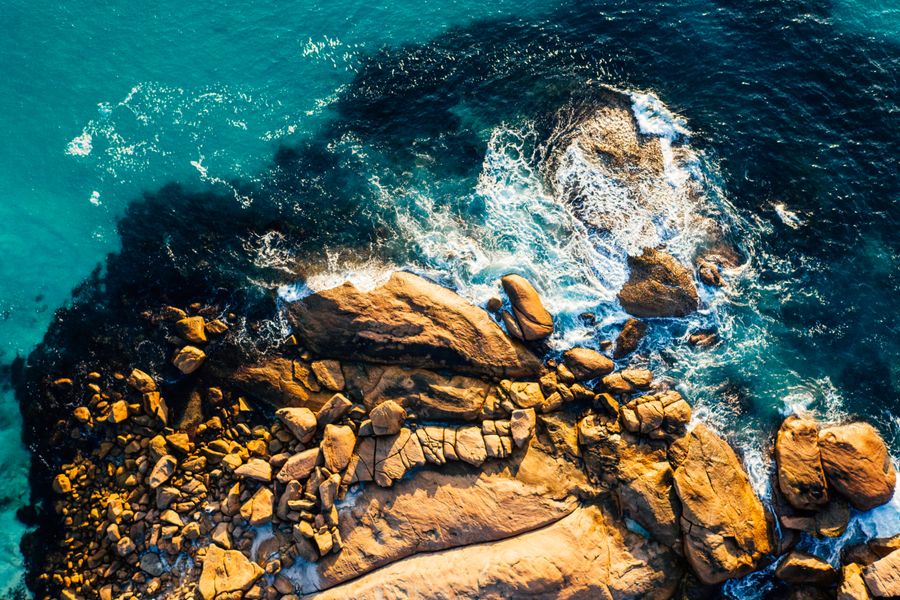
The line marks where the water stopped, and there’s more than one
Everything floating in the sea is carried up the beach by a rising tide and left where the water turned. Because successive tides reach different heights, a beach usually shows several parallel lines, the highest of them dating from the last spring tide or the last storm.
Reading them is straightforward once you notice. The freshest line is damp, dense and often smells strongly; older lines further up are dried out, bleached and partly buried by blown sand. The vertical spacing between them is a direct picture of the tidal range on that coast.
The material is a sample of a wide area rather than of the beach itself. Whatever is in the water offshore, plus whatever a river is discharging, plus whatever a current has been transporting along the coast, arrives here, which makes the strandline an unusually broad survey delivered twice a day.
Cast weed is the base of a small and busy food chain
The heap of seaweed that looks like litter is habitat. It holds moisture and warmth, it decomposes slowly, and it supports large populations of small invertebrates, which in turn feed the birds working along the tideline at first light and the ones that arrive after a storm.
It also feeds the dunes. Rotting weed adds the only significant organic matter and nutrients that reach the top of a beach, which is what lets pioneer plants establish there, and the same heaps trap blown sand and start the process of dune formation.
Which is why mechanical beach cleaning is a genuine trade-off rather than an obvious good. Raking a resort beach removes plastic and makes it pleasant to lie on; it also removes the weed, the invertebrates, the nutrients and, over time, the natural mechanism that rebuilds the dune behind it.
What arrives tells you about currents, seasons and distance
Some items are local and some have travelled a very long way, and telling them apart is most of the interest. Seeds and driftwood carried by ocean currents can strand thousands of kilometres from where they grew, and particular coasts are known for receiving particular things because of where the current comes from.
Egg cases, cuttlebones, floats, shells and the remains of colonial floating animals all have seasons, and a coast that produces nothing in July can be thick with material after the first autumn gales. Beachcombing is essentially a storm-driven activity, and the day after is the day to go.
Manufactured objects have become a large part of the line, and much of it is plastic that has been at sea long enough to be worn and colonised. Organised beach cleans and citizen recording schemes exist in most coastal countries, and they use the strandline as their sampling unit for exactly this reason.
There are things on a strandline not to pick up
Some floating animals carry stinging cells that remain active after they are washed ashore and after they appear dead, so a general rule of not handling gelatinous material with bare hands is sensible on any coast where such species occur. Local signage usually names the ones that matter.
Dead birds and marine mammals should be left alone and, where a national recording scheme exists, reported rather than approached. Similarly, anything that looks like ordnance, a flare or a sealed drum is a matter for the coastguard, and coasts with a military history produce these more often than you would think.
Collecting is also regulated in more places than people realise. Removing shingle, sand or large quantities of shells is prohibited on many coasts, protected sites often ban collecting entirely, and a few countries restrict the export of natural material. Taking a photograph and leaving it is never wrong.
The best time to walk it isn’t the pleasant time
A strandline is at its richest on a falling tide shortly after high water, when the newest material is freshly deposited and has not been picked over by birds or blown about. That places the good hour wherever the tide puts it, which may be before dawn or in the rain.
Winter is the productive season on most coasts because storms bring material up from deeper water and strip it off the shore, and the same weather keeps the beach empty. Beachcombing is one of the few coastal activities that is genuinely better in the months everything else shuts.
And it rewards walking slowly in a narrow band rather than covering distance. The interesting material is small, and the difference between a walk along a beach and a walk along its strandline is largely a matter of where you have decided to put your eyes.
Common questions
Why do some beaches have no seaweed on them at all?
Either there is little rocky ground offshore to grow it, or the beach is being cleaned mechanically. On resort beaches in season the second explanation is common, and the same beach outside the season often looks completely different.
Is it legal to take shells and driftwood home?
It varies by country and by site, and protected areas frequently prohibit removing anything. Small quantities of common shells are widely tolerated, while taking sand, pebbles or large amounts of material is restricted in many places and can carry a fine, so local signage is the thing to check.
When is the best time to go beachcombing?
On a falling tide soon after high water, and ideally a day or two after a strong onshore blow, since storms are what bring material up from deeper water. That means winter is generally more productive than summer on temperate coasts.
Staff writer, The Next Postcard
Clara joined to cover cities, slow routes, rail & road and stayed for the awkward questions and reads the small print so you do not have to.


